2026-11-19 ·
Choosing Paint Sheen For High-Traffic Rooms In Older Middletown Homes
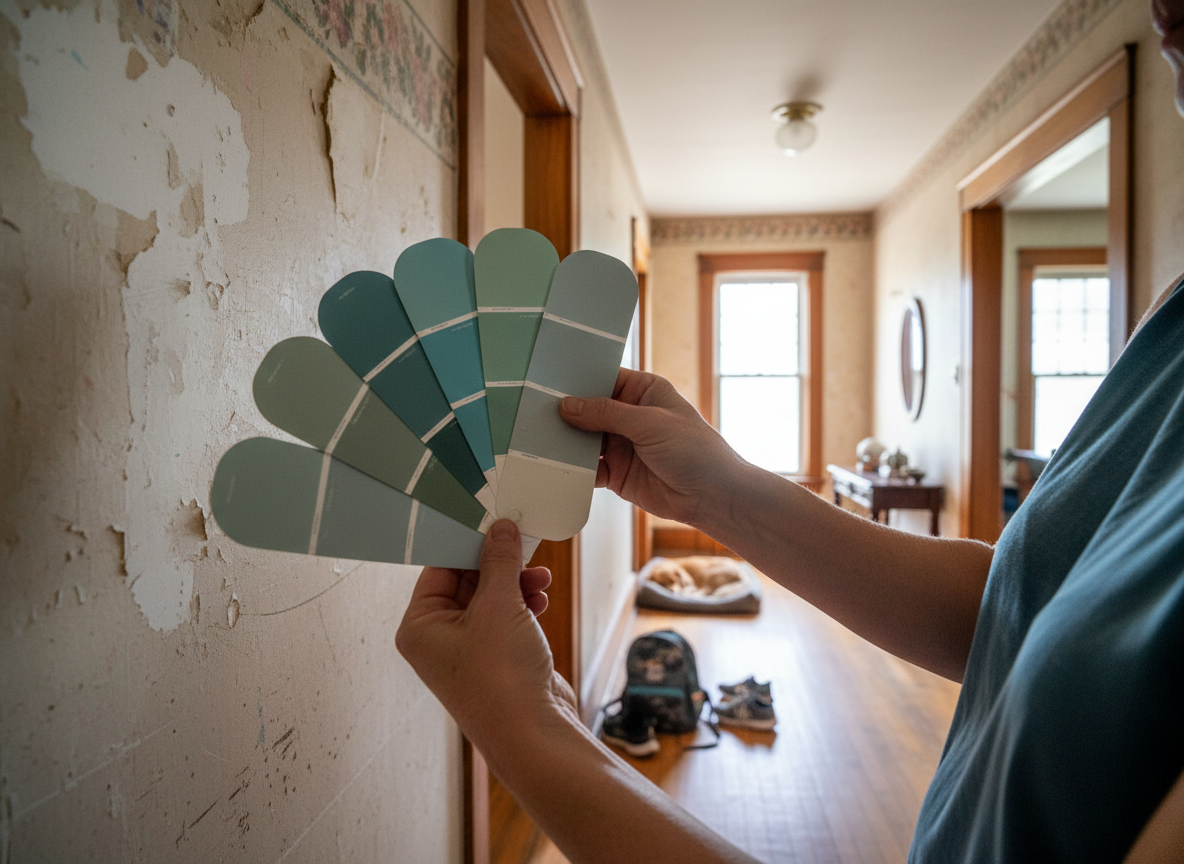
Satin sheen offers the most practical choice for high-traffic rooms in older Middletown homes because it cleans easily without showing every mark and pairs well with the slight texture of historic plaster. Homeowners in Downtown Middletown and Middletown Heights often deal with narrow hallways and busy living areas where flat paint fails quickly under daily use. The humid continental climate brings moisture swings that can highlight sheen differences over time, so selecting a finish that holds up through four distinct seasons matters. An independent local painter can assess the specific light conditions in each room before recommending between satin and semi-gloss options.
Understanding Paint Sheen Options
Satin provides a soft luster that reflects some light while still hiding minor wall imperfections common in pre-1978 homes. Semi-gloss delivers stronger durability for areas that see constant contact, such as door frames and baseboards around busy entry points near Middletown City Hall. Eggshell sits between the two but requires more frequent cleaning in households with children or pets. Each sheen level changes how light travels across older plaster, so testing samples on the actual wall helps avoid surprises after full application. An independent local painter familiar with Orange County homes can demonstrate these differences on site.
Matching Sheen to High-Traffic Areas
Hallways and stair landings in Middletown Heights homes benefit from satin because the finish withstands scuffs from bags and furniture without the glare of higher gloss. Kitchens and bathrooms near Paramount Theatre often need semi-gloss on trim and doors to handle steam and frequent wiping. Living rooms with heavy sofa traffic can use satin on walls and reserve semi-gloss for window sills and chair rails. Consistent sheen choices across connected spaces prevent visual breaks that stand out in older floor plans. An independent local painter evaluates foot traffic patterns before finalizing the plan for each room.
Preparing Older Plaster Walls
Lead-safe practices start with testing any paint layers applied before 1978, especially in homes around Downtown Middletown. Loose plaster must be stabilized and plaster repair completed before new coats go on, or sheen inconsistencies will appear within months. Sanding between coats removes raised fibers that catch dirt in high-use zones. Proper surface cleaning removes oils that prevent even adhesion, a step that becomes more important during the short painting window created by cold winters. An independent local painter follows these steps to ensure the chosen sheen performs as expected.
Considering Hudson Valley Climate Factors
Cold winters and moisture cycles in the region can cause plaster to expand and contract, affecting how well a sheen holds its appearance over time. Short exterior painting seasons push many projects indoors, yet interior work still requires stable temperatures to avoid lap marks. Homes near Newburgh, Goshen, and Warwick share these same seasonal pressures that influence paint selection. Using the right sheen reduces visible wear from humidity changes without needing constant touch-ups. An independent local painter schedules interior work during milder periods to achieve the best results.
Maintenance and When to Repaint
Regular cleaning with mild soap preserves satin and semi-gloss finishes longer than flat paint in busy rooms. Watch for dull patches or easy-to-see fingerprints as early signs that a refresh may be needed. Touch-up paint should come from the same batch to maintain uniform sheen across the wall. Linking interior work with related projects such as interior painting helps keep the entire home consistent. Calling (614) 304-9723 connects readers with an independent local painter who can evaluate high-traffic rooms in older Middletown homes and recommend the appropriate sheen.